

Managing Diabetes and High Blood Pressure: A Practical Guide
Diabetes and high blood pressure often go together, and both quietly damage the heart, kidneys, eyes and nerves when they are not controlled. The good news is that with regular monitoring and a few daily habits, most people can live a full and active life.
Diabetes and high blood pressure are among the most common health problems we see at Fast Aid Hospital, Chauddagram. Many patients feel completely well while their blood sugar and pressure are already too high, which is why routine screening is so important.
Know your numbers
Ask your doctor what your target blood sugar and blood pressure should be. A simple home notebook — or a note on your phone — with dates and readings helps your physician adjust treatment accurately at each visit.
- Check fasting blood sugar as advised, usually every 1–3 months.
- Measure blood pressure at rest, ideally at the same time each day.
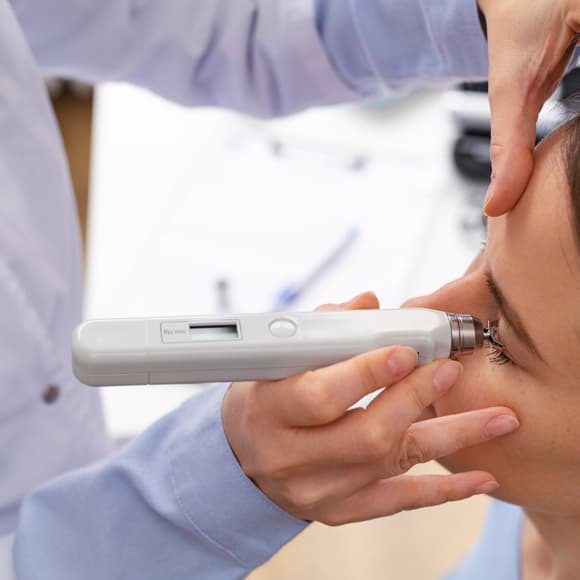
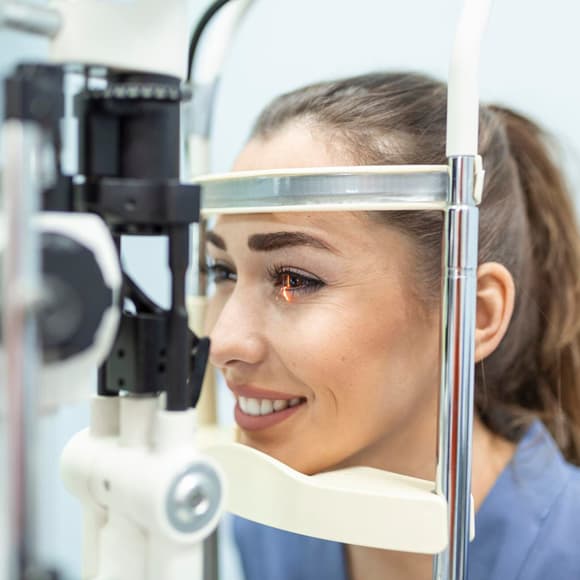
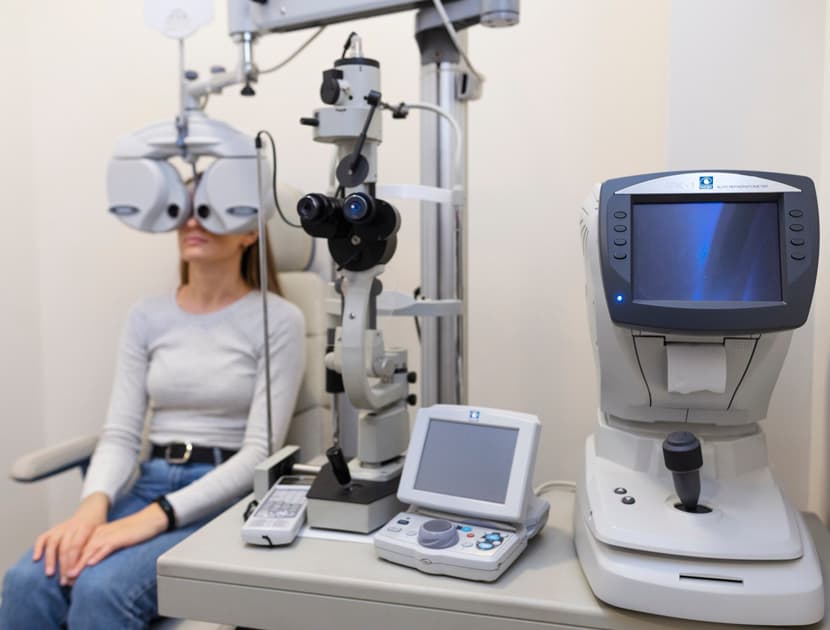
- Get an annual eye, kidney and foot check.
Take your medicines regularly
Blood pressure and diabetes medicines work only when they are taken consistently. Do not stop or change a dose because you feel better. If a medicine causes side effects, speak to your doctor rather than stopping it yourself.
Eat for steady blood sugar
- Choose whole grains such as brown rice, oats and whole-wheat roti over refined flour.
- Fill half your plate with vegetables and a quarter with protein (fish, chicken, lentils or beans).
- Limit sugary drinks, sweets and deep-fried snacks.
- Reduce salt and avoid adding extra salt at the table.
Move every day
At least 30 minutes of brisk walking, five days a week, can lower both blood sugar and blood pressure. Any activity is better than none — start slowly and build up.
Do not ignore follow-up
Regular review at Fast Aid Hospital lets us check your reports, adjust medicine and catch complications early. Bring your home readings, all your medicines and any previous reports to every visit.